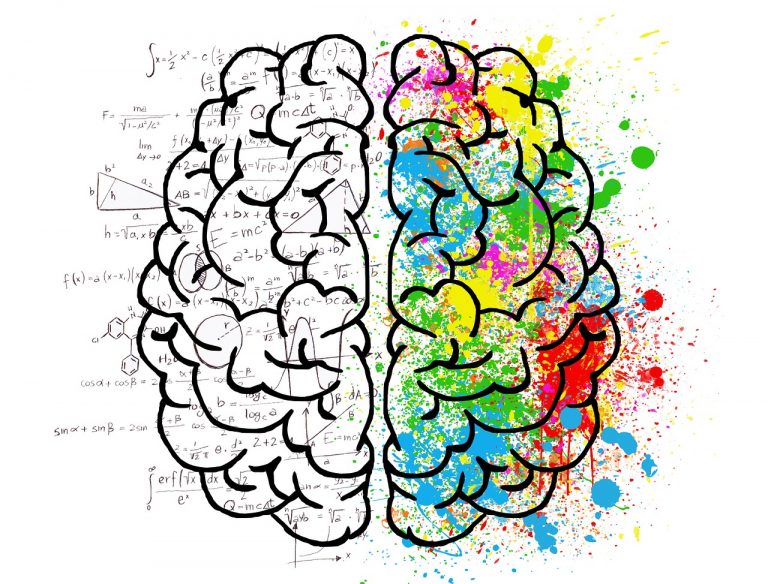

Cognitive psychology: The study of mental processes
Cognitive psychology is a branch of psychology that focuses on the study of mental processes such as attention, perception, and memory. These processes play a crucial role in shaping human behavior and decision making, making cognitive psychology a valuable field for understanding and influencing consumer behavior.
One of the key areas of cognitive psychology that is particularly relevant to marketing is the study of attention. Attention refers to the ability to focus on specific stimuli in the environment, and it plays a critical role in the decision-making process. Marketers use various techniques to capture consumers’ attention, from using bright colors and bold images to creating catchy slogans and jingles. By understanding how attention works, marketers can create more effective advertising campaigns that are more likely to grab consumers’ attention and influence their purchasing decisions.
Another important area of cognitive psychology is perception. Perception refers to the process of interpreting sensory information, such as sights and sounds, and giving it meaning. Marketers can use this understanding to create advertising campaigns that are more likely to be perceived positively by consumers. For example, by using a color scheme that is associated with a particular emotion, such as blue for trust, a marketer can create an ad that is more likely to be perceived as trustworthy.
Memory is another area of cognitive psychology that is relevant to marketing. Memory refers to the ability to retain and retrieve information, and it plays a critical role in consumer decision making. Marketers can use this understanding to create advertising campaigns that are more likely to be remembered by consumers. For example, by using a catchy slogan or jingle, a marketer can create an ad that is more likely to be remembered.
Cognitive psychology can also be applied to the study of consumer decision making. By understanding how consumers process information, marketers can create more effective advertising campaigns that are more likely to influence consumer behavior. For example, by using a clear and simple message, marketers can create an ad that is more likely to be understood and acted upon by consumers.
In addition, cognitive psychology can be applied to the study of branding. By understanding the cognitive processes that are involved in the formation of brand attitudes and perceptions, marketers can create more effective branding strategies. For example, by using a consistent and recognizable brand logo, a marketer can create a brand that is more likely to be remembered by consumers.
Another way cognitive psychology can be applied to marketing is by understanding the cognitive biases that influence consumer behavior. These biases include things like the sunk cost fallacy, the availability heuristic, and the framing effect. By understanding these biases, marketers can create advertising campaigns that are more likely to influence consumer behavior. For example, by using a scarcity principle, a marketer can create an ad that is more likely to be acted upon by consumers.
In conclusion, cognitive psychology is a valuable field for understanding and influencing consumer behavior. By understanding the cognitive processes that are involved in attention, perception, memory, and decision making, marketers can create more effective advertising campaigns that are more likely to capture consumers’ attention and influence their purchasing decisions. Additionally, cognitive psychology can be applied to branding and understanding cognitive biases that influence consumer behavior. By understanding these cognitive processes, marketers can create more effective advertising campaigns that are more likely to be successful. Remember to subscribe to my LinkedIn Newsletter.