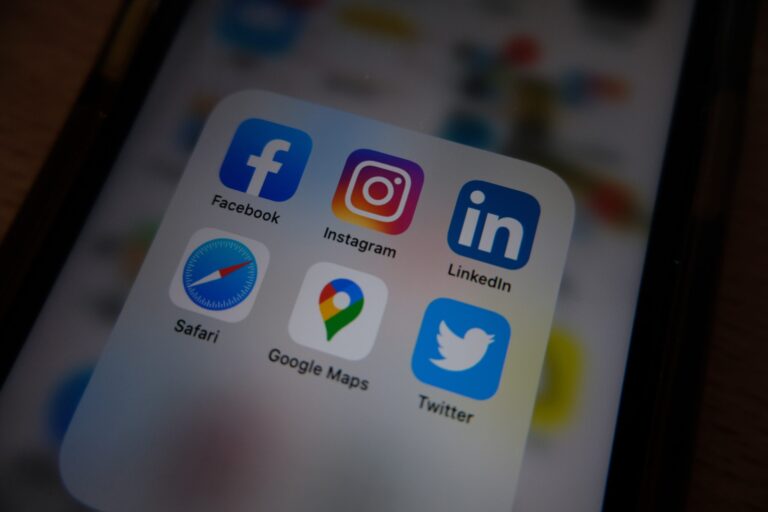

Harnessing The Power Of Social Media Marketing
In today’s digital age, social media has become an integral part of our daily lives. From connecting with friends and family to discovering new trends and brands, social media platforms have transformed the way we communicate and consume information. Harnessing the power of social media for marketing purposes has emerged as a crucial strategy for businesses to reach and engage their target audience effectively. With millions of active users across various platforms, social media marketing presents a vast landscape of opportunities. This article explores the fundamentals of social media marketing, delves into the strategies and techniques to leverage its potential, and provides insights to navigate the ever-evolving realm of social media marketing.
1. Introduction to Social Media Marketing
Defining Social Media Marketing
Whether it’s sharing a funny cat video or connecting with friends, social media platforms like Facebook, Instagram, and Twitter have revolutionized the way we communicate and interact. But social media isn’t just for personal use anymore – it has also become a powerful tool for businesses to reach and engage with their target audience. This is where social media marketing comes into play.
Social media marketing refers to the use of social media platforms to promote a brand, product, or service. It involves creating and sharing content that not only increases brand awareness but also drives user engagement and ultimately leads to conversions. From small businesses to large corporations, social media marketing has become an essential component of any successful marketing strategy.
The Evolution and Importance of Social Media Marketing
The rise of social media marketing can be attributed to the rapid growth and popularity of social media platforms. With billions of users worldwide, platforms like Facebook, Instagram, and Twitter provide businesses with a vast audience to connect with. Moreover, social media allows for more targeted marketing efforts, as you can reach specific demographics based on age, location, interests, and more.
Social media marketing has also evolved to become a two-way communication channel. Unlike traditional advertising methods, where brands simply broadcast their message, social media allows businesses to engage in conversations and build relationships with their customers. It provides a unique opportunity for businesses to listen to their audience, address concerns, and even receive feedback in real-time.
In today’s competitive business landscape, staying ahead of the game is crucial. With the majority of consumers actively using social media, businesses that neglect social media marketing are missing out on a significant opportunity to connect with their target audience, build brand loyalty, and drive business growth.
2. Understanding the Impact of Social Media Platforms
Exploring Popular Social Media Platforms
When it comes to social media marketing, not all platforms are created equal. Each platform has its own unique features, target audience, and best practices. Let’s take a look at some of the most popular social media platforms and their impact on marketing:
– Facebook: With over 2.8 billion monthly active users, Facebook offers a diverse audience and a wide range of advertising options. It is particularly effective for building brand awareness and driving traffic to websites.
– Instagram: Known for its visually appealing content, Instagram is a popular platform for businesses in industries such as fashion, beauty, and food. It allows businesses to showcase products and engage with a younger demographic.
– Twitter: With its fast-paced nature and limited character count, Twitter is ideal for real-time updates, customer service, and engaging in conversations. It is often used by businesses to share news, updates, and promotions.
– LinkedIn, the leading professional networking site with over 740 million members globally, serves as an invaluable tool for businesses to connect with industry professionals and recruit talent
– TikTok also serves as a powerful marketing tool for businesses looking to target Gen Z consumers. Influencer collaborations and sponsored campaigns have become prevalent strategies on the platform, offering brands an opportunity to reach millions of potential customers.
The Role of Social Media in Consumer Behaviour
Social media has had a profound impact on consumer behaviour. It has transformed the way people discover, research, and purchase products and services. Here are a few ways social media influences consumer behaviour:
– Product discovery: Social media platforms serve as a hub for users to discover new products and brands. From influencers showcasing their favourite products to sponsored posts, social media provides endless possibilities for consumers to stumble upon something new.
– Social proof: Users often turn to social media for reviews, recommendations, and testimonials before making a purchase. Positive feedback and endorsements from friends, influencers, and even strangers can greatly influence consumer decision-making.
– Brand loyalty: Social media allows businesses to engage with their audience on a more personal level. By fostering meaningful connections and providing value through content, businesses can build strong brand loyalty and turn customers into brand advocates.
Understanding the impact of social media platforms and their role in consumer behaviour is crucial for businesses to effectively leverage social media marketing and drive successful campaigns.
3. Key Strategies for Effective Social Media Marketing
Identifying Target Audience and Objectives
Before diving into social media marketing, it’s essential to clearly define your target audience and objectives. Understanding who your ideal customers are will help you tailor your content and messaging to resonate with them. Additionally, setting clear objectives, whether it’s increasing brand awareness, driving website traffic, or generating leads, will guide your social media marketing efforts.
Content Creation and Curation
Creating compelling and valuable content is at the core of successful social media marketing. Whether it’s eye-catching images, informative videos, or engaging written posts, your content should resonate with your target audience and provide them with something of value. Additionally, curating content from industry influencers and thought leaders can help diversify your content and provide different perspectives to your audience.
Engagement and Community Building
Engaging with your audience is key to building meaningful connections and fostering brand loyalty. Responding to comments, messages, and reviews in a timely and genuine manner shows your audience that you value their input. Encouraging user-generated content, running contests, and initiating conversations also helps create a sense of community around your brand.
4. Utilizing Social Media Advertising and Influencer Marketing
Understanding Social Media Advertising Options
While organic reach on social media is valuable, utilizing social media advertising can help amplify your message and reach a larger audience. Platforms like Facebook, Instagram, and LinkedIn offer various advertising options, such as sponsored posts, carousel ads, and video ads. Understanding the different ad formats and targeting options will allow you to create effective social media ad campaigns that drive results.
Partnering with Influencers for Brand Promotion
Influencer marketing has exploded in popularity, with social media influencers becoming trusted voices in their respective niches. Partnering with influencers can help increase brand awareness, reach new audiences, and leverage the influencer’s credibility and influence. However, it’s essential to carefully select influencers whose values align with your brand and whose audience matches your target market.
By harnessing the power of social media advertising and influencer marketing, businesses can expand their reach and maximize their social media marketing efforts.
5. Measuring Success: Analysing Metrics and Data in Social Media Marketing
Defining Key Performance Indicators (KPIs)
Social media marketing isn’t just about posting funny cat videos and hoping for the best. To gauge the effectiveness of your social media efforts, it’s crucial to define Key Performance Indicators (KPIs). These are the specific metrics you’ll use to measure success. KPIs could include engagement rates, click-through rates, conversion rates, or even sentiment analysis to see how people are talking about your brand.
Tools and Techniques for Social Media Analytics
Thankfully, there are numerous tools available that can help you slice and dice your social media data. Tools like Google Analytics, Hootsuite, or Sprout Social can provide valuable insights into your social media performance. Use them to track likes, shares, comments, and other metrics. And don’t forget to rely on good old-fashioned manual analysis by diving into the comments and conversations happening on your social media platforms. It’s all about finding the sweet spot between quantitative and qualitative data.
6. Building and Managing an Engaged Social Media Community
Creating a Brand Persona and Voice
Let’s face it, nobody wants to follow a boring or robotic brand on social media. To build an engaged community, you need to create a brand persona and voice that resonates with your target audience. Are you funny and light-hearted? Or maybe you’re more professional and informative? Whatever it is, be consistent and authentic in your messaging. People want to interact with real humans, not soulless corporate entities.
Effective Community Management Strategies
Once you’ve defined your brand persona, it’s time to manage your social media community effectively. Respond to comments and messages promptly, engage in conversations, and show genuine interest in what your audience has to say. Be proactive in addressing both positive and negative feedback. And don’t forget to reward your loyal followers with special promotions or shoutouts. Building a community is all about fostering relationships and making people feel valued.
7. Leveraging User-Generated Content and Viral Marketing Techniques
The Power of User-Generated Content (UGC)
User-Generated Content (UGC) is like the holy grail of social media marketing. It’s the content created by your fans and followers that can help you skyrocket your brand’s visibility. Encourage your audience to create and share content related to your brand, whether it’s photos, videos, or reviews. UGC not only adds credibility but also creates a sense of community and belonging.
Implementing Viral Marketing Campaigns
While going viral is not something you can predict or control, you can still employ certain techniques to increase your chances. Craft shareable content with a clever twist or an emotional appeal. Utilize trends and current events to create relevant and timely campaigns. And always stay on top of the latest memes and internet phenomena. Remember, going viral is like catching lightning in a bottle, but with a little creativity and luck, it can lead to massive exposure for your brand.
8. Navigating Challenges and Staying Ahead in the Social Media Marketing Landscape
Dealing with Negative Feedback and Crisis Management
In the world of social media, negative feedback is inevitable. But it’s how you handle it that matters. When faced with criticism, take a deep breath, resist the urge to engage in a flame war, and respond calmly and professionally. Address concerns swiftly and seek to resolve issues. And when a crisis strikes, have a crisis management plan in place to handle it efficiently and transparently. Remember, a heartfelt apology can go a long way in diffusing a tense situation.
Keeping up with Trends and Algorithm Changes
Social media platforms are constantly evolving, and staying ahead of the game can be a challenge. Keep a close eye on algorithm changes, platform updates, and emerging trends. Adapt your strategies accordingly. Experiment with new features and formats to stay relevant. And don’t be afraid to take risks and try out-of-the-box ideas. As the saying goes, “the only constant in life—and social media—is change.” So embrace it and find creative ways to ride the wave of constant evolution.
FAQ
1. How can social media marketing help my business?
Social media marketing offers a range of benefits for businesses. It allows you to increase brand awareness, reach a wider audience, engage with your customers, drive website traffic, generate leads, and even boost sales. By utilizing social media platforms effectively, businesses can build a strong online presence and establish meaningful connections with their target audience.
2. Which social media platforms should I focus on for my marketing efforts?
The choice of social media platforms depends on your target audience and business objectives. It’s important to conduct research and understand where your target audience spends their time online. Popular platforms such as Facebook, Instagram, Twitter, LinkedIn, and YouTube offer diverse opportunities for marketing. Analysing demographics, user behaviour, and platform features will help you determine the most suitable platforms for your business.
3. How can I measure the success of my social media marketing efforts?
Measuring the success of your social media marketing efforts involves tracking relevant metrics and key performance indicators (KPIs). These may include engagement metrics (likes, shares, comments), reach and impressions, website traffic, conversion rates, and customer acquisition. Utilizing social media analytics tools and setting specific goals will enable you to assess the effectiveness of your strategies and make data-driven decisions for future campaigns.
4. What are some common challenges in social media marketing?
Social media marketing can present challenges such as managing negative feedback, handling crises, dealing with algorithm changes, and keeping up with the ever-evolving trends. It is important to have a well-defined strategy, monitor your online presence closely, and address any issues promptly. Staying up-to-date with platform policies and trends, as well as fostering a strong community, can help navigate these challenges and ensure the success of your social media marketing efforts.
In conclusion, social media marketing has revolutionized the way businesses connect with their audience. By understanding the impact of social media platforms, implementing key strategies, utilizing advertising and influencer marketing, analysing metrics, building engaged communities, leveraging user-generated content, and staying ahead of challenges, businesses can harness the immense power of social media for their marketing efforts. As social media continues to evolve, it is crucial for marketers to stay updated with the latest trends and adapt their strategies accordingly. By embracing social media marketing as an essential component of their overall marketing strategy, businesses can effectively engage their target audience and drive meaningful results in today’s digitally connected world.