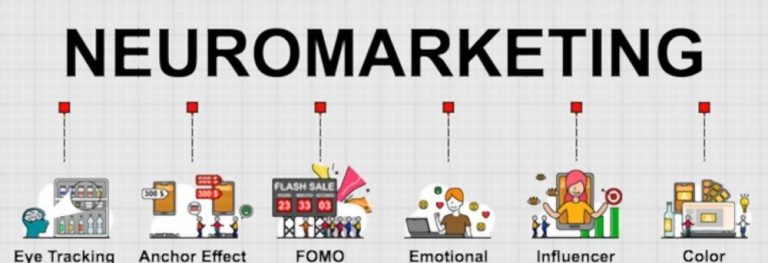

Over the last two years, as companies increasingly attempt to connect with consumers through their advertising efforts, emotional marketing has grown in popularity. These marketing campaigns leverage emotion to get people to stop and pay attention to the advertisement, which increases the likelihood that those people will become customers. Typically, emotional marketing appeals to a single emotion, such as joy, sorrow, rage, or fear.
Strangely, colour has a significant impact on how we feel. Have you ever entered a room and had a particular feeling arise right away? Or is there a certain brand that comes to mind when you see a certain colour? That isn’t a coincidence. Either make significant use of your company’s colours or learn more about colour psychology.
You must deliver a fascinating story to captivate your audience and elicit the desired reaction. You can’t always aim for widespread “happiness,” depending on your product, business, and audience. Like your marketing objectives, you need to be very specific about the emotion you want to arouse. This will have an impact on your marketing’s specifics, including copywriting, media, visuals, etc., and will help it be as effective as feasible.
While emotional marketing is an effective strategy for generating a single or several purchases, emotions also spur additional behaviour that can expand your brand and business. For example, Happiness will makes your client share news about your business and its products or services.
To be successful, you must learn how your customers feel, what they need, and what drives them. You may gain your consumers’ loyalty by adopting a customer-focused mindset and strategy.
The use of emotional ties in marketing is no longer a secret tactic, yet it can still be beneficial. Remember people are emotional beings and act on emotions first then logic.